


A sample of All Across the Spectrum
All Across the Spectrum
Eileen Lamb
Thought Catalog Books — thoughtcatalog.com — New York • Los Angeles
Dedication
To Charlie and Jude:
You may not always find acceptance, tolerance, or compassion.
The world may not always be fair.
But I will forever be here to remind you.
That you are loved.
That you are special.
That you matter.
Be brave. Be unique. Be you.
Introduction
France. 1996. I was six years old, standing still in front of the class, wondering why my classmates were laughing at me. I was humiliated but didn’t quite understand their reaction.
That day, when the teacher asked us to sing our favorite song for the class, I chose a French song from 1935 called "Madame La Marquise," a song by a popular French singer that depicts the dialogue between a lady and her gentleman, James, who comedically downplays the death of her favorite horse. I found the song hilarious. I sang it using a deep voice to play James and a little squeaky voice for the lady. As it turned out, I was the only one who found this funny. Kids laughed, but not from joy from a prodigious performance nor because they liked the song. They were making fun of me. Sure, my song choice may have been a bit odd, and the French can be notoriously rigid, but it was the first time I looked around at my peers and thought, "Am I different?"
Growing up in France, for as long as I could remember I’d felt different from the other kids. We had different interests and when I spoke, kids often looked confused, as if I were from another planet. My love for classical music and really old songs didn’t help in that regard.
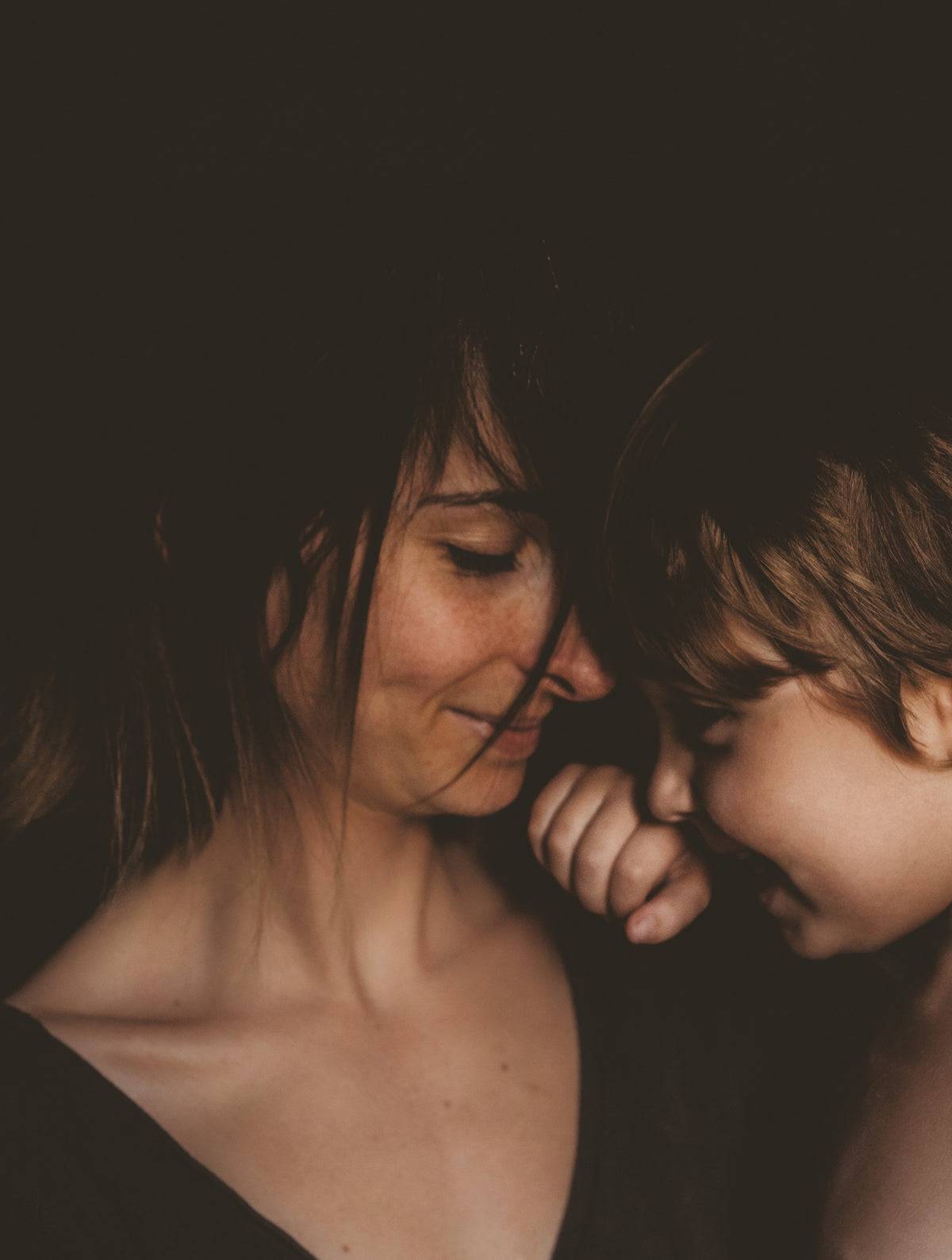
I battled through my whole life feeling out of place, just getting by. As an adult, things weren’t coming any easier to me. And then I witnessed my son experiencing the same difficulties. Charlie, it turns out, has severe classic nonverbal autism and a short time after his diagnosis, I finally understood why my experiences felt so near to Charlie’s. I’m autistic, too.
While Charlie and I share similar struggles, his are much more severe than mine.
Charlie is 6. At an age where his peers are learning to read and write, he still hasn’t learned to talk. As times goes by, the gap between him and the other children grows and grows. As a mom, it breaks my heart to see my little boy struggle so much, struggling to do things that so many take for granted like talking or using the bathroom.
Raising a severely autistic child doesn’t come with a manual—it’s a constant learning experience. We go through periods of joy and pride, but there’s also heartbreak and a nagging feeling of powerlessness. There’s no interacting with the little human I created, there’s no running to me when I come home, there’s no hugging him without being pushed away. But there are many piercing screams throughout the day, screams that are constant reminders that I don’t have the ability to make my son feel better. He doesn’t have a way to communicate the cause of his angst. I am powerless over my child’s well-being, and that is agonizing.
Being autistic and raising a severely autistic child gives me a unique perspective on the subject of autism. I see both sides of the spectrum every day: I personally live with the struggle of a disability that’s often ignored because it’s not obvious, and I’m fighting each day to take care of my child whose differences are extreme and apparent. Each day brings both the heartbreak of seeing my child not being able to communicate beyond very basic needs and the pure joy of a small gain like him saying "tuh" to request some toast.
I’ve been sharing snippets of our life for a few years now on my blog, The Autism Cafe, and I’ve learned along the way that there are many autistic adults out there who do not share my views on autism. They believe that only autistic individuals should be able to speak about autism because they are the ones living with it. I’ve also seen them countless times shame parents who express any morsel of negativity about their child’s diagnosis, calling them "martyr parents." I want parents of autistic children to know that not all autistic adults share these sentiments. I don’t.
I wrote this book with the hope of providing the general public with a tool to better understand the many facets of autism. I want to help parents and loved ones of people affected by autism to not feel so alone in their journey. I want to challenge stereotypes and the incessant policing of how to talk about autism that occurs through social media.
 Back to book options

